November 5, 2026
November 5, 2026 | Patty Schnaidt
Understanding the precise categories of residential and commercial waste permitted inside open-top containers is essential for maintaining efficient, environmentally sound disposal practices. When managing a major home restoration, decluttering an inherited estate, or organizing an extensive commercial facility overhaul, trash rapidly accumulates beyond the capacity of municipal curbside bins. Renting an open-top receptacle introduces a centralized, heavy-duty disposal hub directly on your job site, eliminating countless exhausting runs to regional transfer stations. Nevertheless, strict municipal statutes and state environmental codes dictate what materials can safely enter municipal landfills. Ensuring compliance with weight allowances and prohibited substance lists protects homeowners and commercial contractors from costly surcharge penalties while keeping neighborhood disposal operations completely safe.
Careful upfront planning prevents job-site delays, optimizes container volume, and supports regional recycling initiatives designed to divert salvageable construction material away from overburdened public dumps. According to IBISWorld, the dumpster rental industry in the United States has grown at a compound annual growth rate of 5.7% from 2020 to 2025. This steady expansion highlights how modern property owners rely on heavy-duty waste management logistics to execute complex domestic and industrial cleanups. Whether you are stripping old asphalt shingles from a suburban roof or gutting commercial partition walls, knowing how to load materials preserves equipment safety and streamlines haul-away timelines. Partnering with a reputable dumpster rental service guarantees access to dependable drop-offs, well-maintained equipment, and clear guidance on acceptable debris categories.
1. Disposing of Heavy Construction Debris
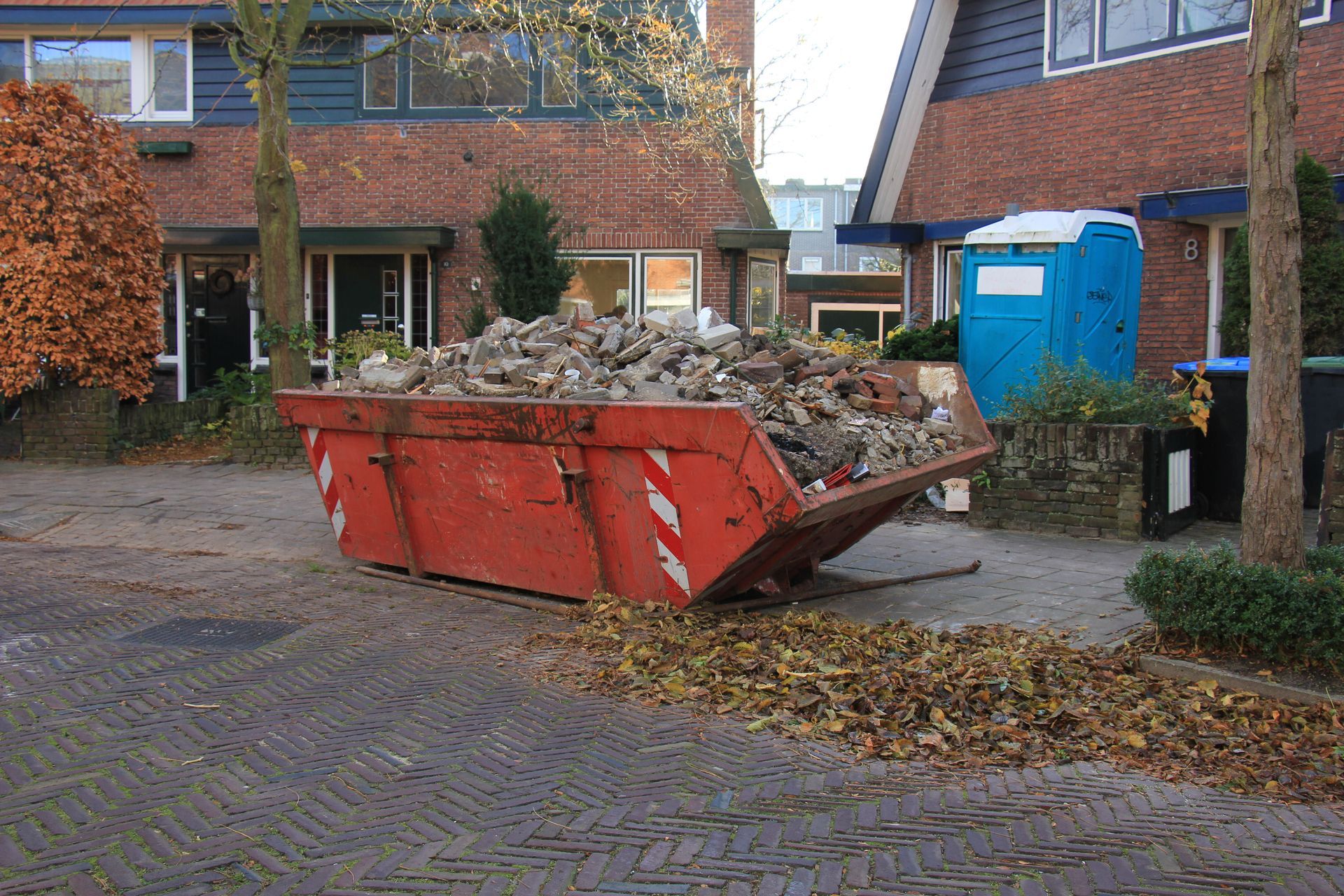
Demolition and remodeling tasks generate immense volumes of structural debris that standard municipal garbage routes cannot collect. Roll-off containers easily accommodate dimensional framing lumber, structural 2x4 studs, rough plywood subfloors, and composite decking offcuts produced during framing or demolition phases. To optimize interior container volume, cut long timber boards into four-foot lengths and lay them flat along the bottom of the steel floor. Fasteners, framing nails, and structural metal brackets embedded in framing lumber do not require manual extraction before tossing, enabling swift site clearance. Consolidating raw framing lumber within a sturdy dumpster rental service simplifies ongoing work-site cleanup, lowers tripping risks for carpentry crews, and keeps active building zones orderly.
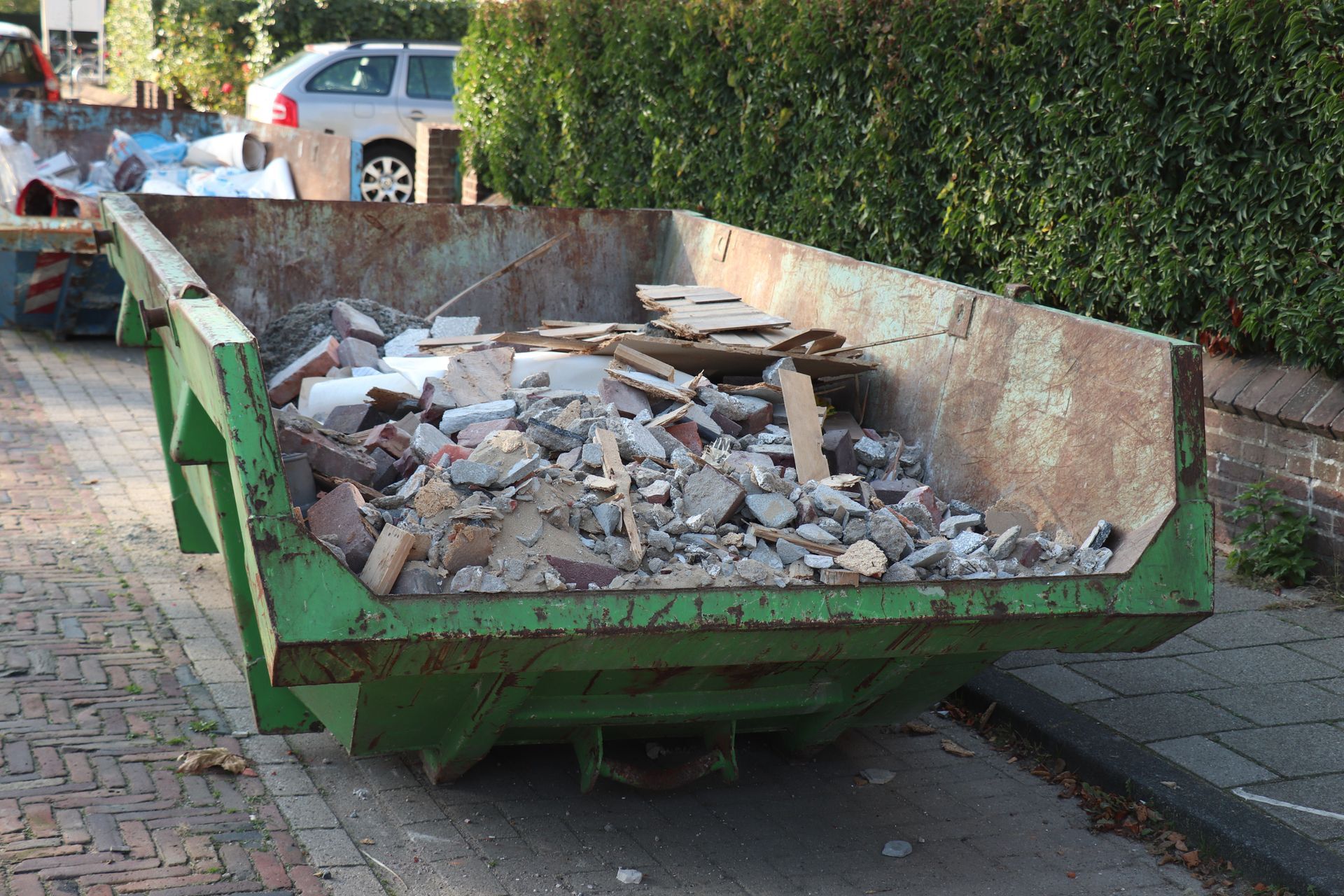
Mineral-based structural materials—such as broken red masonry bricks, cracked concrete pavers, loose landscape stones, and structural gypsum drywall—are also widely permitted inside open-top bins. However, dense mineral masonry possesses exceptional mass, meaning that standard cubic-yard limits can rapidly surpass hauling truck weight capacities before reaching the container's physical rim. Distribute broken concrete chunks and masonry rubble uniformly across the lower floor rather than mounding everything at one end, which could cause hazardous axle imbalances during transport. When discarding gypsum drywall boards, take care to control loose powdery dust and verify with haulers that local transfer stations do not mandate dedicated gypsum recycling sorting.
2. Eliminating Bulky Household Furnishings
Large-scale interior decluttering sweeps inevitably uncover worn-out residential furnishings that are simply too damaged, soiled, or obsolete for charitable donation drop-offs. Conventional residential containers readily accept broken dining tables, wooden armoires, composite desks, upholstered recliners, and damaged sofas. To maximize every square foot of rental volume, dismantle bulky furniture before loading by unscrewing table legs, breaking down bed frames, and removing heavy cushions. Tossing intact couches directly into the center of a container wastes immense amounts of usable space beneath their frames, so breaking them into flat pieces ensures that surrounding household junk packs tightly and securely.
Mattresses, box springs, and sprawling textile floor coverings represent additional common residential cleanout components that can enter waste containers safely. Because steel inner springs and synthetic polyurethane foams resist landfill compaction, certain municipal processing facilities enforce nominal handling surcharges for mattress processing. Similarly, extensive carpet tear-outs produce bulky, unwieldy rolls that consume substantial bin space if discarded haphazardly. Slice saturated carpet pads and heavy woven carpeting into manageable three-foot strips using a utility knife, roll them tightly, and secure them with industrial packing tape. This disciplined packing approach allows your selected dumpster rental service to transport balanced loads smoothly down local streets without risking loose debris spills.
3. Clearing Organic Yard Waste
Extensive exterior landscaping transformations, tree clearing, and seasonal garden overhauls produce massive quantities of dense organic green waste that must be managed responsibly. Open-top bins easily accommodate fallen tree branches, pruned hedge trimmings, woody root balls, and heavy decorative shrubs generated during outdoor clearing projects. Cut long tree limbs into uniform sections and compact loose shrubbery downward using heavy timber remnants to compress springy branches. Discarding yard trimmings in an organized manner prevents organic debris from blowing across neighboring lawns while keeping active landscaping pathways unobstructed for excavators, mowers, and groundskeeping personnel.
Organic landscape amendments—including excavated subsoil, turf sod strips, compost remnants, and decomposed wood mulch—can enter heavy-duty containers, provided you closely monitor total bin weights. Saturated topsoil and dense clay weigh thousands of pounds per cubic yard, meaning that filling an oversized container completely with damp earth will swiftly breach roadside transport regulations. To ensure safe hoisting and highway transit, consult with your hauler regarding specialized heavy-material low-boy bins tailored specifically for earthwork, gravel, and rock removal. Selecting a dedicated dumpster rental service helps you match your specific landscape tonnage with the ideal container rating, preventing expensive overweight fees upon arrival at public scales.
4. Managing Domestic Moving Junk
Damaged metal lawn hand tools, unpowered garden equipment, worn-out plastic toys, and broken patio umbrellas are also fully suitable for disposal in open-top containers. Before discarding old motorized equipment like gas lawnmowers or weed trimmers, thoroughly drain all residual gasoline and motor oil into approved recycling jugs, as volatile liquid hydrocarbons are strictly forbidden inside landfills. Disassembling plastic playsets and separating steel poles from torn fabric umbrellas ensures that valuable salvageable metals can be segregated by regional transfer station operators. Utilizing a versatile dumpster rental service eliminates the clutter and mental exhaustion associated with moving, leaving properties swept and ready for new occupants.
5. Discarding Interior Renovation Leftovers
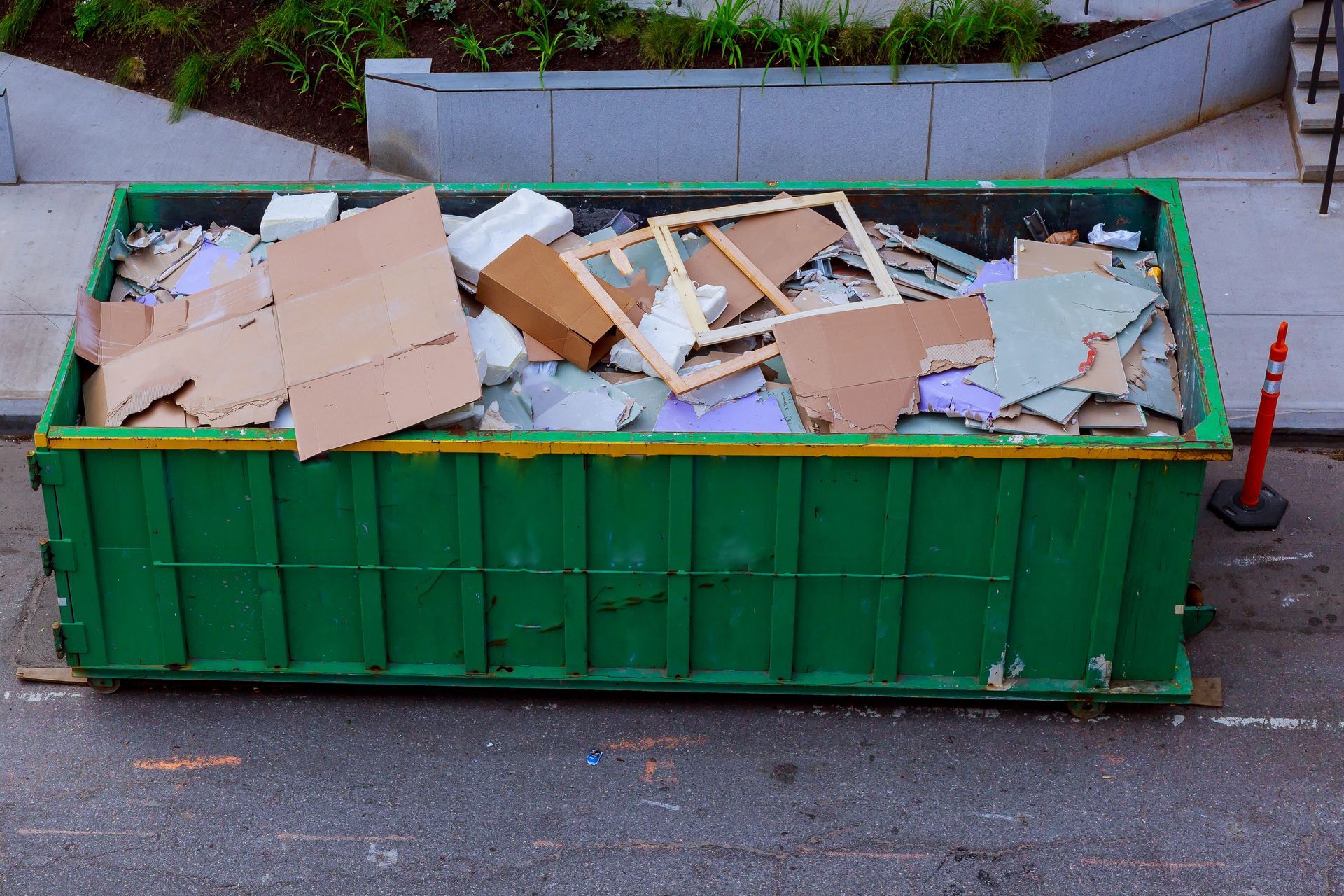
Surplus architectural insulation materials—including fiberglass batting rolls, blown cellulose, and rigid polystyrene foam boards—can also be placed inside roll-off containers during renovation phases. Bagging loose, irritating fiberglass insulation prior to discarding prevents dangerous airborne glass fibers from drifting across the neighborhood during windy afternoon work. Fully dried, hardened latex paint cans, empty caulk tubes, cured adhesive cartridges, and masking paper are similarly permitted in regular roll-off loads. Securing a reliable dumpster rental service guarantees that your remodeling waste is handled according to regional environmental guidelines, protecting your construction schedule from costly administrative interruptions.
6. Coordinating Commercial Office Overhauls
Non-confidential printed corporate files, archived training manuals, product brochures, and obsolete promotional displays can also enter roll-off containers during corporate reorganizations. Sensitive documentation should naturally undergo certified on-site shredding before disposal to safeguard proprietary trade secrets and consumer privacy. However, non-sensitive paperwork, catalog surplus, and non-electronic desk supplies pack densely without environmental restrictions. Be sure to segregate electronic waste—such as desktop computers, monitors, server racks, and lithium backup batteries—since hazardous e-waste mandates certified recycling facilities. Relying on an experienced dumpster rental service ensures corporate administrative overhauls proceed seamlessly, keeping property transitions punctual and fully code-compliant.
Selecting the appropriate disposal method for residential and commercial cleanout projects preserves job-site safety, protects property investments, and streamlines chaotic workflows. Roll-off containers provide an organized waste hub for handling everything from heavy masonry rubble and dimensional lumber to bulky household furnishings, landscaping overgrowth, and commercial office debris. By sorting allowed items thoughtfully, breaking down oversized materials, and observing municipal weight parameters, you maximize bin volume while supporting responsible municipal recycling systems. When your residential remodeling or commercial cleanup requires prompt container delivery, flexible scheduling, and dependable haul-away solutions, rely on the proven professionals at A-1 Sanitation & Recycling LLC.